

The preservation of Indian classical arts requires more than performances, festivals and formal training. It also depends on creating reliable records of the artists, traditions and cultural developments that shape the performing-arts landscape. For Kuchipudi artiste, researcher and cultural organiser Vikram Kumar B R, popularly known as Bathina Vikram Goud, journalism has become an important part of this preservation process.
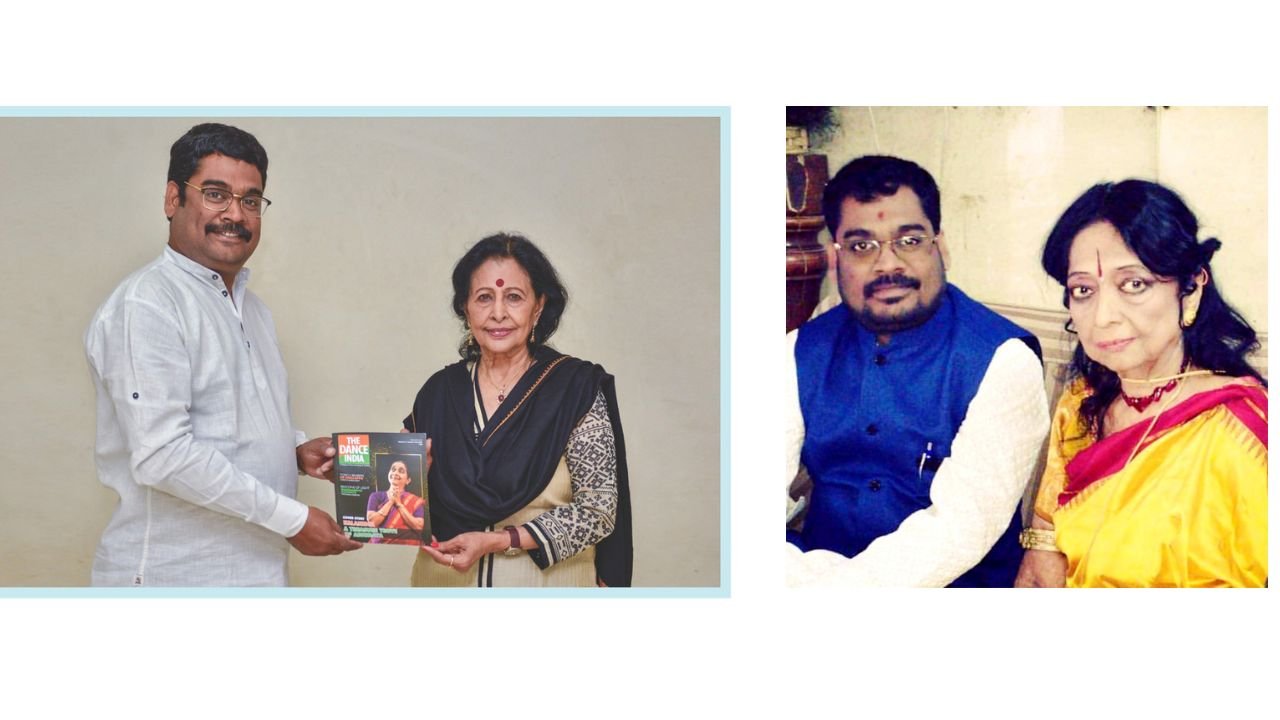
As the Editor-in-Chief of The Dance India, Vikram Kumar B R has used cultural publishing as a platform to document India’s diverse dance heritage. The national English-language monthly publication focuses on Indian classical dance, traditional arts and the people who contribute to their development.
The publication provides space for a wide range of cultural material, including articles on prominent artistes, performance reviews, historical profiles, scholarly discussions and documentation of traditional and folk practices. Through this approach, The Dance India functions not only as a magazine but also as a continuing record of India’s performing-arts community.
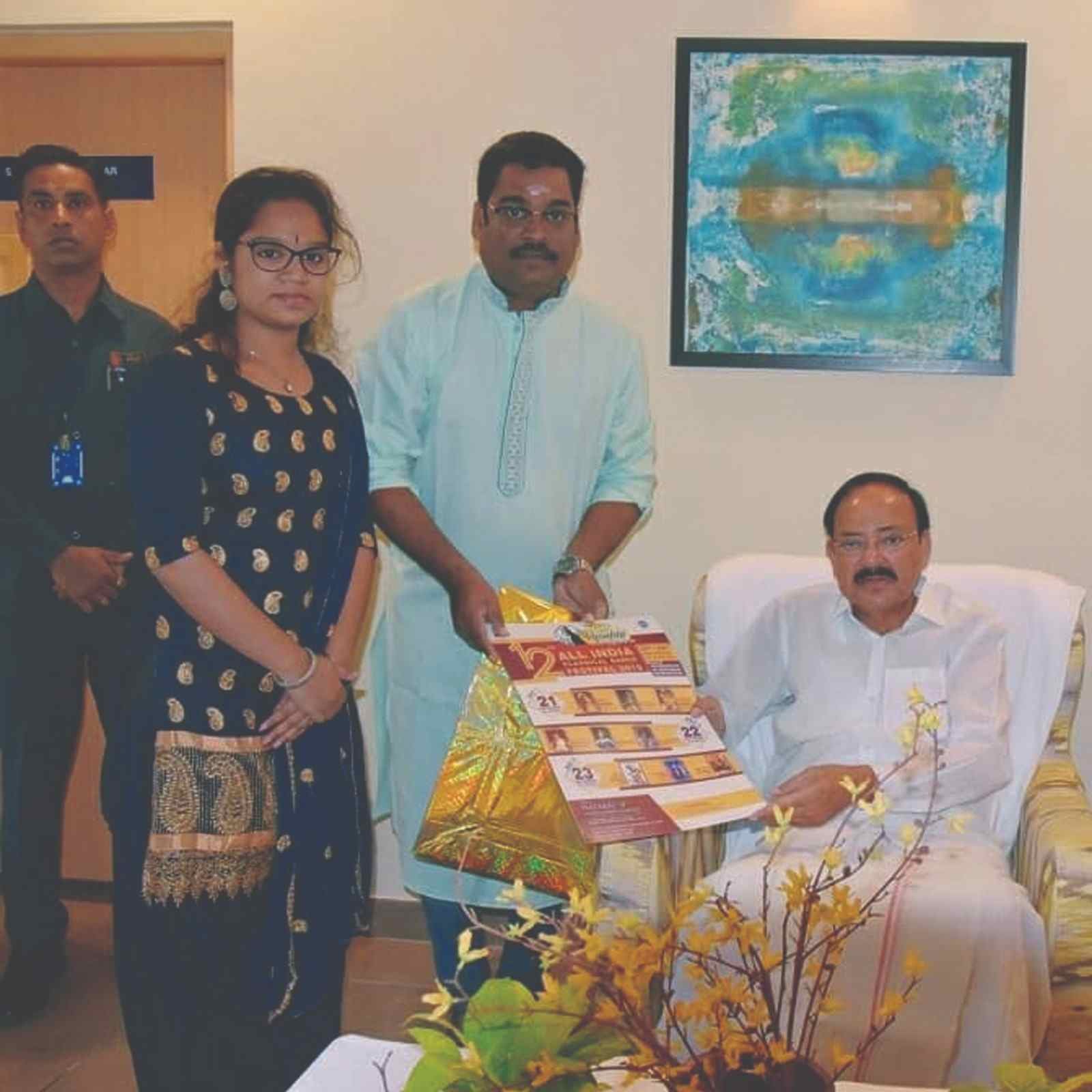
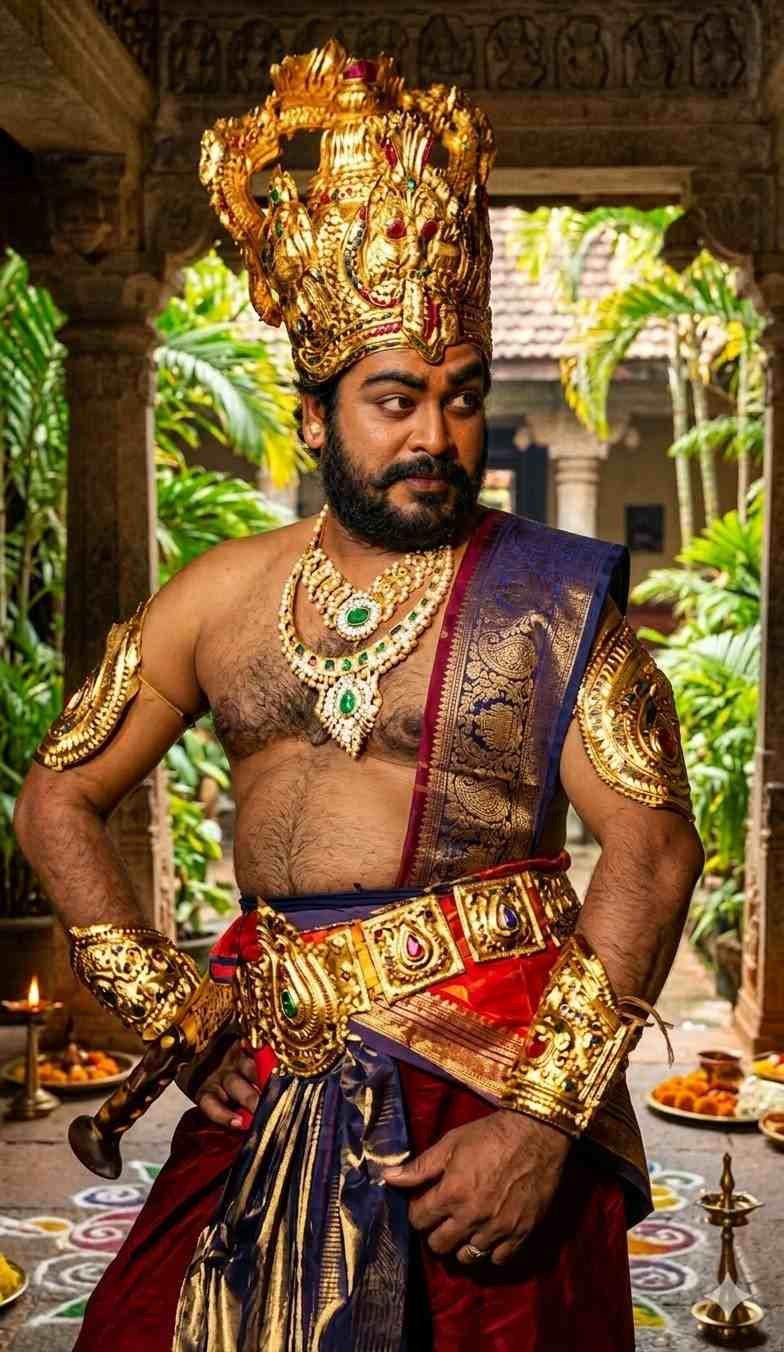
Vikram’s editorial role reflects a larger philosophy that has remained consistent throughout his career. He has worked as a dancer, choreographer, theatre practitioner, researcher, festival organiser and institution builder. Across these different responsibilities, his central concern has been the preservation and promotion of Indian cultural traditions.
His background in academic research has further strengthened his interest in cultural documentation. He completed a Master’s degree in Kuchipudi with distinction from Andhra University and conducted detailed research into Siva Thandavam and Saptha Thandavam within the Kuchipudi tradition. His academic engagement demonstrated the importance of examining classical dance through historical, literary and intellectual perspectives.
The same principle can be seen in his work as an editor. Dance is a performing art, but its history includes much more than what appears on stage. Artists, gurus, repertoire, choreography, music, teaching methods, institutions and cultural movements all contribute to the evolution of a tradition.
Cultural journalism can bring these different elements together.
A profile of a senior guru, for example, can preserve details about an artistic career that may otherwise remain known only within a particular circle. A performance review can record how a production was presented at a particular point in time. An article about an endangered folk tradition can draw attention to practices that may receive limited representation in mainstream media.
For Vikram Kumar B R, such documentation is particularly important in an era when cultural information is rapidly circulated online. Digital platforms have created unprecedented opportunities for artists to reach audiences, but they have also made it easier for information, photographs, choreography and creative material to be copied or reproduced without adequate context or attribution.
Responsible cultural journalism can help establish context and give recognition to the people behind artistic work.
The Dance India also extends Vikram’s preservation efforts beyond live festivals. His various dance festivals provide opportunities for artists to perform, while the publication creates opportunities to record and discuss those artistic activities.
This combination of performance and documentation is central to his broader cultural vision. He has consistently promoted the idea that preserving an art form requires an ecosystem involving performers, teachers, researchers, organisers, institutions, audiences and cultural publications.
His publishing initiatives have also included biographical documentation. He authored and distributed more than 10,000 complimentary copies of books associated with Kuchipudi legend Padma Bhushan Dr. Vempati Chinna Satyam, including The Reformer in English and Kuchipudi Vythalikudu in Telugu. The initiative demonstrated how publishing can be used to preserve the stories of influential cultural personalities and make them accessible to wider audiences.
The reported presence of The Dance India in more than 650 libraries across the country further illustrates the potential long-term value of cultural journalism. Library circulation can place specialised material before students, researchers, teachers and readers who may discover it long after its original publication.
For an editor working in the field of classical arts, the responsibility therefore extends beyond producing regular issues. It involves deciding which stories deserve to be recorded, which artists need greater visibility and which traditions require documentation before valuable knowledge becomes difficult to recover.
Vikram Kumar B R’s editorial journey reflects this broader responsibility. His work demonstrates how journalism can complement performance and education by creating a written cultural archive.
At a time when India’s classical and traditional arts are reaching new audiences through both physical and digital platforms, cultural publications continue to provide an important foundation for historical continuity.
Through The Dance India, Vikram Kumar B R has sought to make cultural journalism part of that continuity—connecting today’s artists and performances with the researchers, students and audiences of tomorrow.